
About Karen Reid
Clinical Psychologist | Supervisor | Consultant | Trainer
I am a registered Clinical Psychologist, EMDR Trainer and Consultant, Certified IFS Therapist, IFS Clinical Consultant and AHPRA Board Approved Supervisor.
My work now spans three closely connected areas: clinical practice, professional training, and consultation and supervision for mental health practitioners.
I continue to work clinically with adults experiencing the effects of trauma, developmental trauma, complex trauma and dissociation. Maintaining a clinical practice is important to me because it keeps my teaching grounded in the realities and complexities of therapeutic work.
Alongside my clinical practice, I provide training, consultation and supervision for mental health practitioners. My particular areas of interest are EMDR, Internal Family Systems, trauma-informed therapy, case formulation, dissociation and the thoughtful integration of therapeutic models.
My approach is collaborative, strengths-based and non-pathologising, with a strong appreciation of neurodiversity. Whether I am working with a client or supporting a therapist, I aim to create a respectful learning environment in which curiosity, reflection and professional confidence can develop.
Professional Background
I began my professional life as an early-years teacher and later specialised in neurodiversity and specific learning difficulties. This led me to complete Honours and Master’s degrees in Educational Psychology and to work closely with children, young people and their families.
I later completed a Master’s degree in Clinical Psychology at the University of Southern Queensland. My early roles included teaching, learning support, neurodiversity assessment and directing a multidisciplinary team providing assessment and intervention services for children.
After moving to Australia and working with Education Queensland, I established my private psychology practice in Toowoomba in 2009. Over time, my clinical focus increasingly shifted toward adults experiencing trauma, developmental trauma, adversity and neglect.
My background in education continues to shape the way I teach. I aim to make complex theory understandable, clinically relevant and practical, while recognising that therapists develop confidence through reflection, supported practice and experience.
I have also valued my ongoing professional collaboration with Graham Taylor in EMDR training, consultation and professional education. Working alongside Graham has contributed significantly to my development as an EMDR trainer and has supported my continued interest in making complex theory practical, accessible and clinically meaningful.
My Current Professional Focus
Training for Mental Health Practitioners
I provide professional training in Internal Family Systems and EMDR, with a particular interest in translating theory into practical clinical work.
My training combines:
- Clear theoretical foundations
- Practical clinical application
- Experiential learning
- Case discussion and reflection
- Attention to therapist parts and therapeutic presence
- Respect for the complexity of trauma work.
Consultation and Supervision
I provide individual and group consultation and supervision for mental health practitioners, including clinicians developing their skills in EMDR, IFS and trauma-focused therapy.
My approach is collaborative and developmental. Consultation is not about finding one perfect intervention. It is about strengthening case formulation, understanding what may be happening in the therapeutic process and helping therapists recognise both their existing strengths and their next area of learning.
Clinical Practice
I continue to maintain a focused clinical practice with adults. My principal areas of clinical interest include trauma, developmental trauma, complex trauma, dissociation, attachment difficulties and the long-term effects of adversity and neglect.
My clinical work informs my teaching, and my teaching continually encourages me to reflect on and refine my clinical practice.
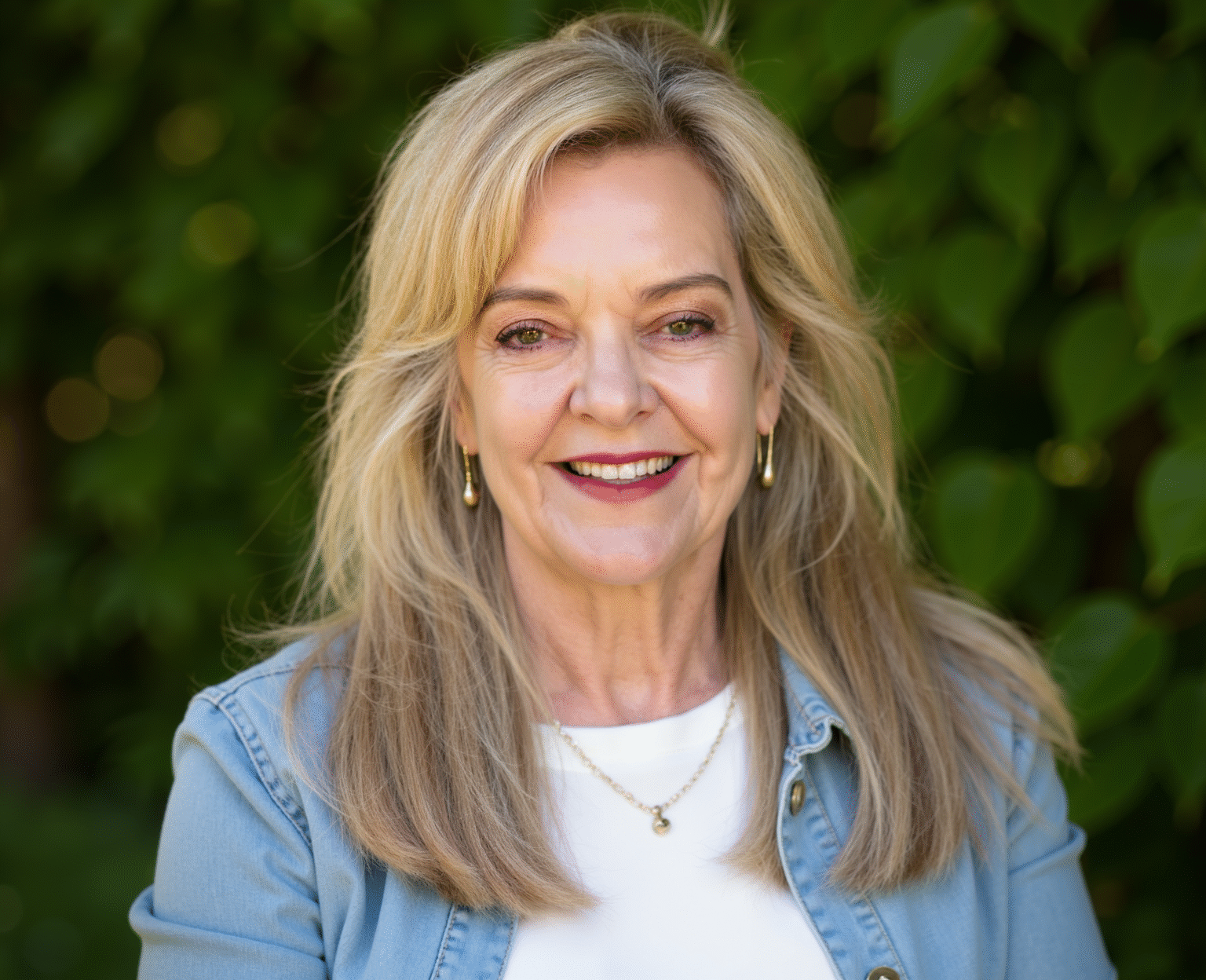
My area of interest is helping adult clients overcome the effects of trauma, adversity, and neglect to lead a meaningful life.
Therapeutic Approaches
My clinical work with adults in Toowoomba is primarily informed by Eye Movement Desensitisation and Reprocessing (EMDR) and Internal Family Systems (IFS), particularly when working with trauma, complex trauma and dissociation.
Depending on each client’s needs, I may also draw from Acceptance and Commitment Therapy (ACT), Schema Therapy, Cognitive Behavioural Therapy (CBT), narrative approaches and mindfulness-based therapies.
These models are integrated within an individualised, trauma-informed and non-pathologising approach.
